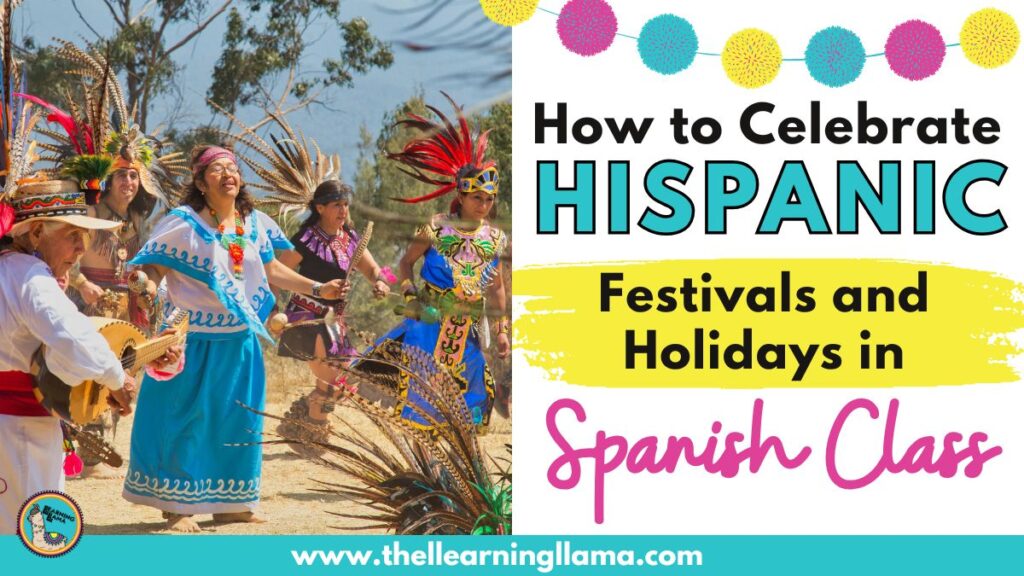
Some of my favorite cultural lessons as a Spanish teacher centered around holidays and festivals. In Spanish 4, I taught an entire Holidays and Celebrations Unit where students explored traditions from across the Spanish-speaking world. We learned about everything from food and music to clothing, customs, and the meaning behind each celebration.
But the part my students remembered most was when we actually brought one to life. To wrap up the unit, students worked together to plan and throw a quinceañera—complete with invitations, food, music, and even a waltz.
That experience reminded me that teaching Hispanic holidays and festivals can be so much more than reading an article or learning a list of traditions. Whether you have one class period or an entire unit, there are plenty of ways to help students experience Spanish celebrations while building language skills and deeper cultural understanding.
Some of my favorite festivals and holidays to teach are
- La Tomatina in Spain – Learn about 7 activities to bring this tomato throwing festival to life (without the mess!)
- Día de Muertos – Students love this holiday. Read how I add vocab to this lesson.
- Quinceañeras – High school students can really relate to a quinceañera. Read about my quinceañera lesson plans and authentic resources.
- Noche de Rábanos – carving sculptures out of vegetables?! Read my blog post with ideas here.
- Halloween – Ok, I know it is not a Spanish or Latino holiday, but your students are thinking about it. Why not add a little fun? Here’s my Halloween ideas
- La Navidad – One of the biggest holidays of the year deserves a little of your time in class. Read my ultimate list of resources and activities..
The 3 Ps of Culture
Products, practices, and perspectives are a key component of teaching culture. Always start with this!
Products: items created or used by a culture, tangible or intangible (books, paintings, laws, educational system, etc.)
Practices: behaviors, social interactions, customs (celebrations, meal times, manners, etc.)
Perspectives: values and beliefs (respecting elders, valuing leisure time over work, etc.)
As I teach about holidays to my students, I always have them fill out a graphic organizer with three columns, one for each P. As we learn about the celebration, they can add details to each column. By the end, the organizer is complete and they can really talk about the celebration as a whole.
Cultural Comparison
A cultural comparison is not just for the AP Spanish exam. This is something all of our students can benefit from. After they take note of the 3 Ps, they should compare the celebration to one that they are familiar with. This puts everything into perspective. They will hopefully find some common ground, which makes each culture not seem so distant.
You can use another graphic organizer, give discussion questions, or have students write an essay.
Authentic Images and Videos
Since we most likely cannot take our students to a real celebration in another country, we need to show them what it looks like. Reading about the customs is not sufficient. Find authentic images and videos of the celebration. Here are three easy ways to find videos:
- YouTube Shorts: These are brief videos, perfect for class. One of the best parts is that I find a lot of YouTube shorts filmed by native speakers, just sharing their culture in small snippets. Tourists also upload a lot of shorts, so you will also find shorts highlighting the main parts of a festival.
- Tio Spanish: These educational videos include video clips of the actual holidays, not just clipart or drawings. Plus, they’re easy to understand for students. Just search for the holiday like La Tomatina, Navidad, Pascua, etc.
- News Channels: Many news outlets post videos about town celebrations and include interviews with native speakers.
Virtual Field Trips and Webquests
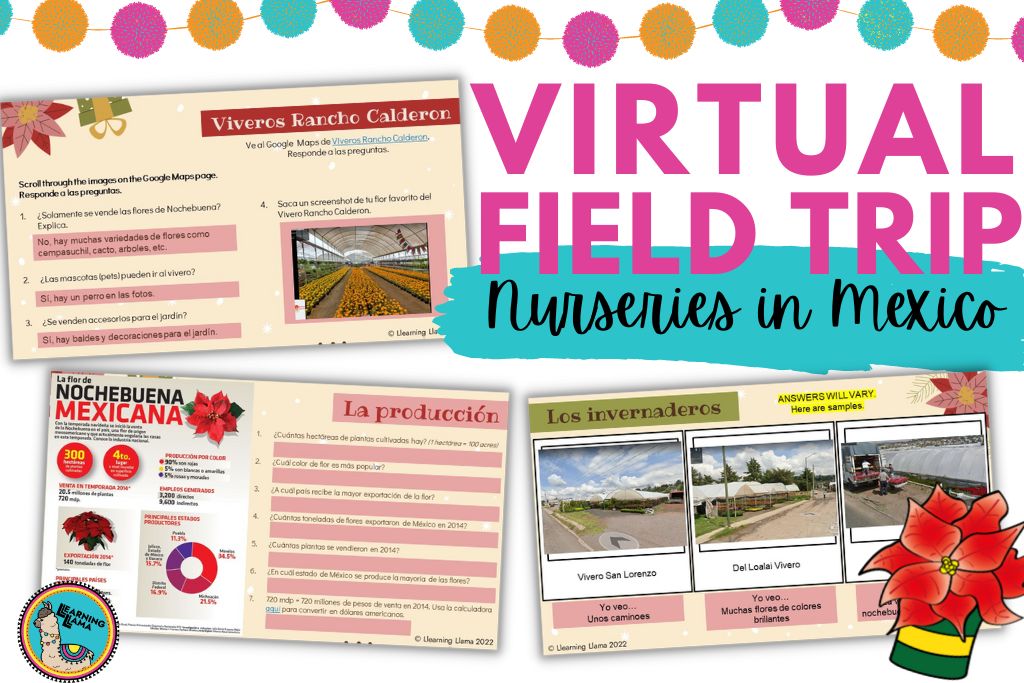
Another way to make your students feel like they are at the celebration is through virtual field trips or webquests. You can take them on a Google Earth tour to the location of the festival. Even if you jump into the map and there is no celebration taking place, they can at least explore the area to get a feel for it. For example, I have a virtual field trip to poinsettia green houses in Mexico for lessons about La Navidad.
A webquest is a more direct way to explore the festival or celebration. But you need to compile the questions or resources ahead of time. You can see on my La Tomatina webquest or Day of the Dead webquest, I give students specific links, recipe videos, infographics, etc. so they are led on a focused tour of the celebration.
Find Paintings to Add More Culture
Hispanic festivals and celebrations are already jam packed with culture, but if you want to layer on one more cultural element, find paintings by Hispanic artists that represent the holiday you’re teaching about.
The biggest one that comes to mind is Carmen Lomas Garza. Her paintings focus on family life and celebrations with her Mexican family. You’ll find everything from community fairs to weddings to Easter to Christmas. One of the reasons I love her paintings so much is they feature lesser known holidays or simple traditions. It is very easy for students to take one of her paintings and compare it to their own family life and traditions.
I recommend grabbing her books (Family Pictures and In My Family) that include bilingual descriptions of her paintings. I used these a lot when teaching about holidays, festivals, and art.
Other artists like Picasso and Botero are known for painting about bullfighting or La Fiesta de San Fermín.
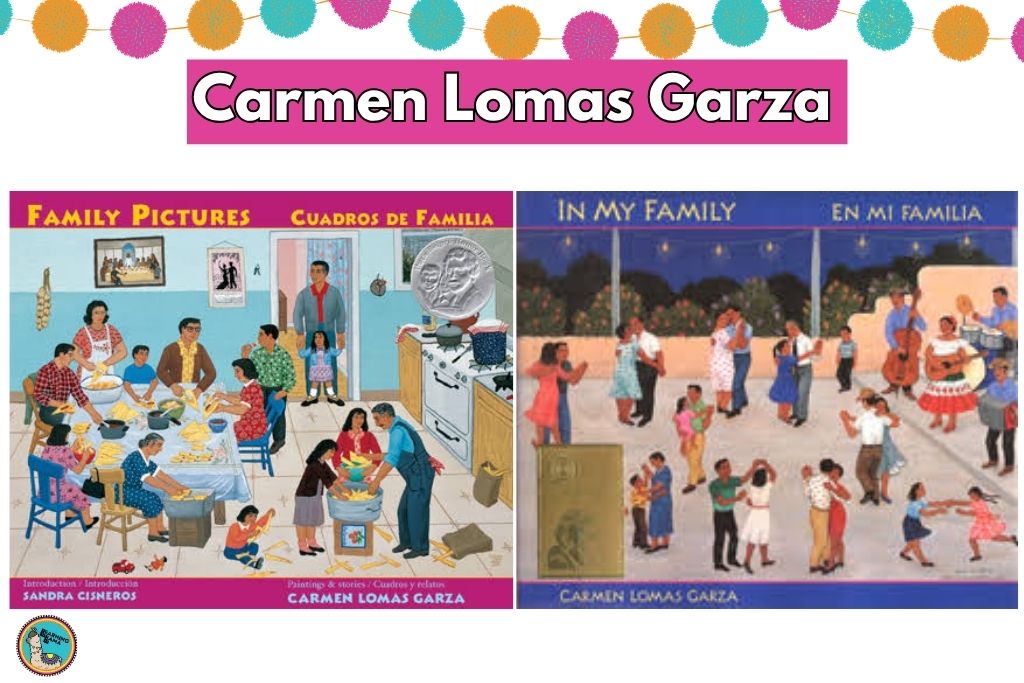
What do you do with a painting?
Simple activities like playing I Spy, Counting Objects, Extending the Painting, Writing a Story, and Creating a Conversation are fun ways to make a painting more exciting. (I share the quinceañera painting by Carmen Lomas Garza in this blog post)
Legends and Stories
Reading legends and stories that bring Hispanic holidays to life through words is always an excellent option. It even adds interpretive reading and storytelling. There is so much you can do with just one story. Here is a blog post for how I teach myths and legends.
Here are some of my favorite legends and stories about Hispanic festivals and celebrations
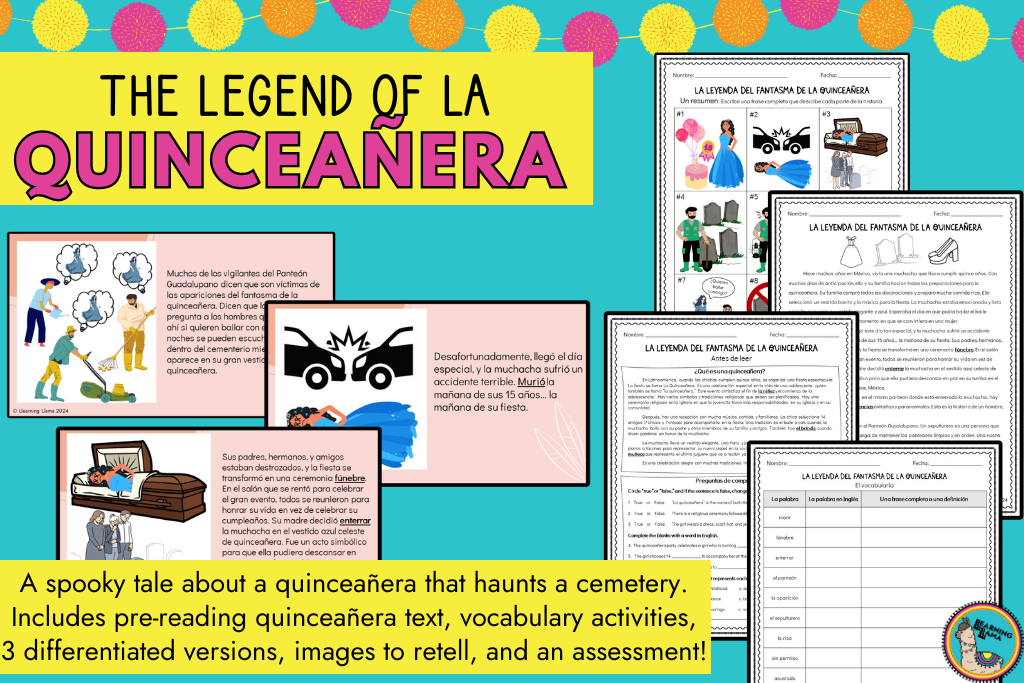
- La leyenda de la quinceañera – a spooky tale that also works great for October
- La leyenda de la flor de nochebuena – a beautiful story about poinsettias for Christmas
- La leyenda del cempasúchil – an Aztec legend about marigolds for Día de muertos
- La leyenda de la marimonda – a fun tale for Carnaval
Research Posters
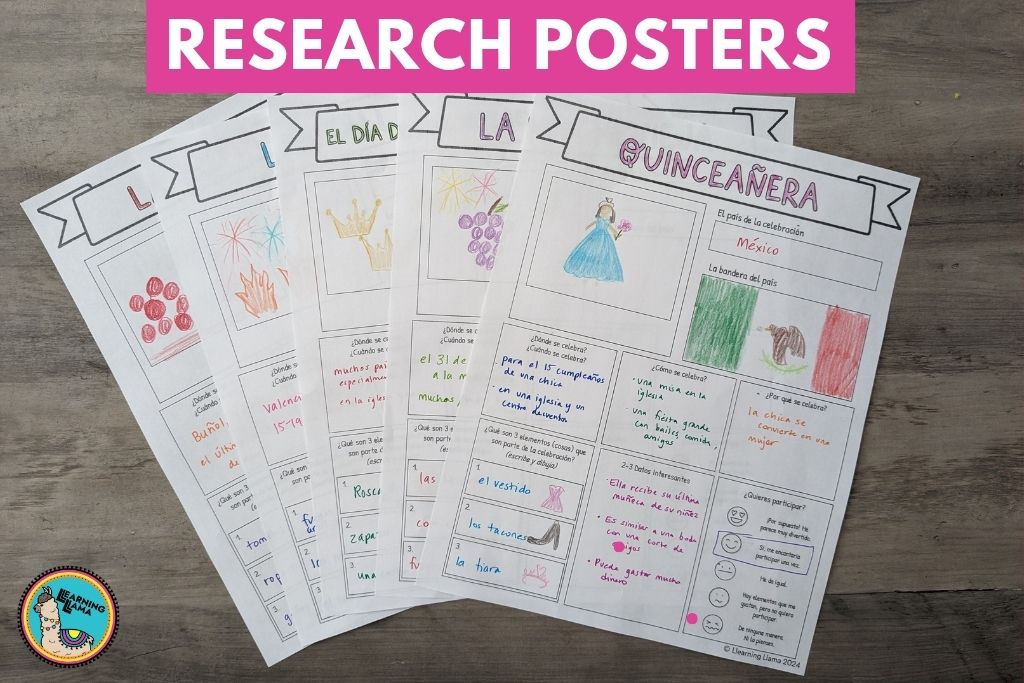
Letting your students take an active role in learning, to the point where they become the teachers is one of the best ways for them to actually learn. If you are teaching a Festivals and Celebrations Unit (I did in Spanish 4), then research posters are a great way to introduce or conclude the unit. They also work well for Hispanic Heritage Month.
Students all choose a Hispanic celebration or festival. I provide a list of 25 unique celebrations in this resource, but you can also let students choose their own.
I like to have students choose their top 3 from the list, then randomly call on students to select their top choice. If their top choice is taken, they can choose their 2nd or 3rd. Almost always students will get one of their top 3. Then, let them research! Draw a representation, learn about the music, food, clothes, and more.
Hang the posters up as a gallery walk or have students give quick presentations to the class.
Create Your Own
When you celebrate a holiday in your home, think about your family traditions. Most likely, you decorate your house, make a craft, cook a dish, dress up, play certain music. Those traditions… actually living out the holiday are what make it memorable.
So, why not do the same with your students. You want them to be immersed in the traditions. Choose one element they can recreate and take part in. Here are a few practical ideas:
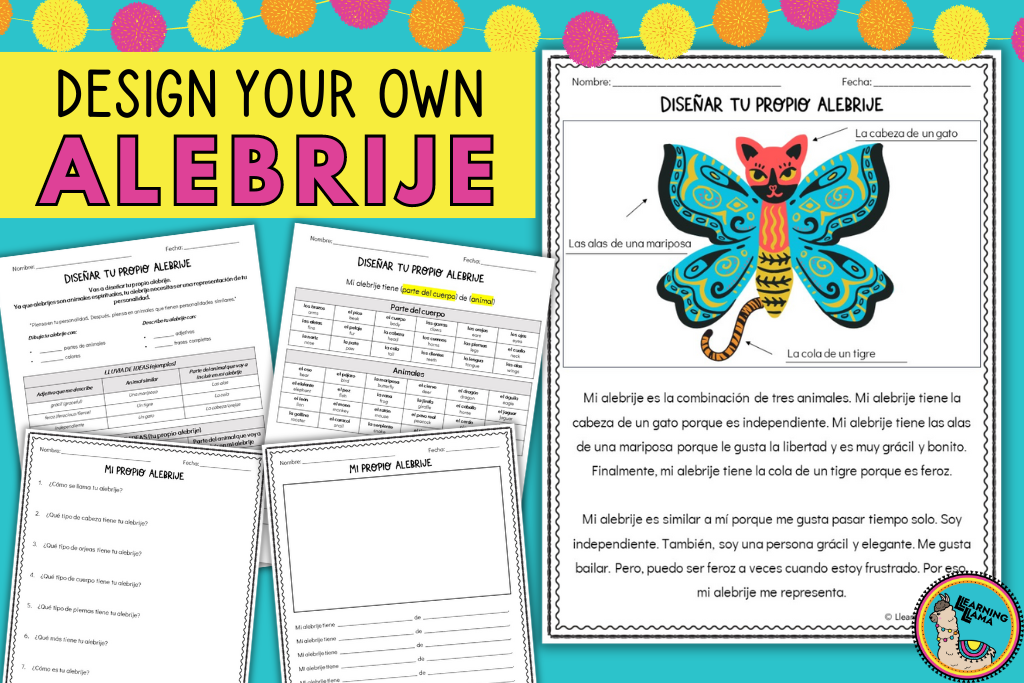
- Create Your Own Alebrije for Día de Muertos
- Throw a quinceañera party – (click for my project with 10 interactive steps) complete with music, food, invitations, budget, and more
- Carve radishes for Night of the Radishes.
- Have a fake Tomatina fight with red paper balls
- Go from classroom to classroom singing carols for Las Posadas
Escape Rooms
Every year for Christmas, one of my family’s traditions is to do an escape room. I’m the one that creates the puzzles and I watch as my family works together to solve holiday themed puzzles.
This is something I do in the classroom as well. Escape rooms add an element of fun and competition that no other activity can. Plus, they have a sense of urgency and authenticity that get extra buy-in from students.
Learn how to make an escape room here.
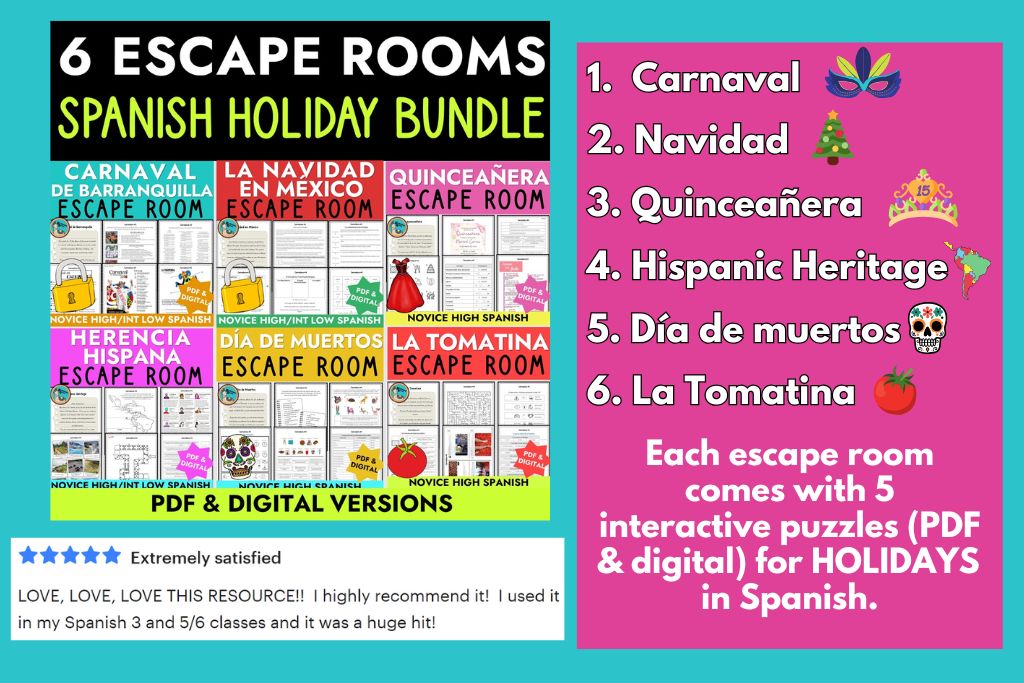
Check out my holiday escape rooms:
- La Navidad en México Escape Room
- Carnaval de Barranquilla Escape Room
- La Tomatina Escape Room
- La Quinceañera Escape Room
- Día de Muertos Escape Room
- Hispanic Heritage Escape Room
- Bundle of Holiday Escape Rooms
You definitely don’t need to throw an entire quinceañera to make Hispanic festivals and celebrations memorable in your Spanish classroom! Even something as simple as watching an authentic video, exploring a painting, reading a legend, completing a cultural comparison, or recreating one small tradition can help students connect with the culture in a more meaningful way.
Choose a few Spanish-speaking holidays that fit naturally into your curriculum and give students opportunities to see, hear, research, compare, and experience them. Those are the cultural lessons that tend to stick—and sometimes become the ones students remember long after they leave your classroom.